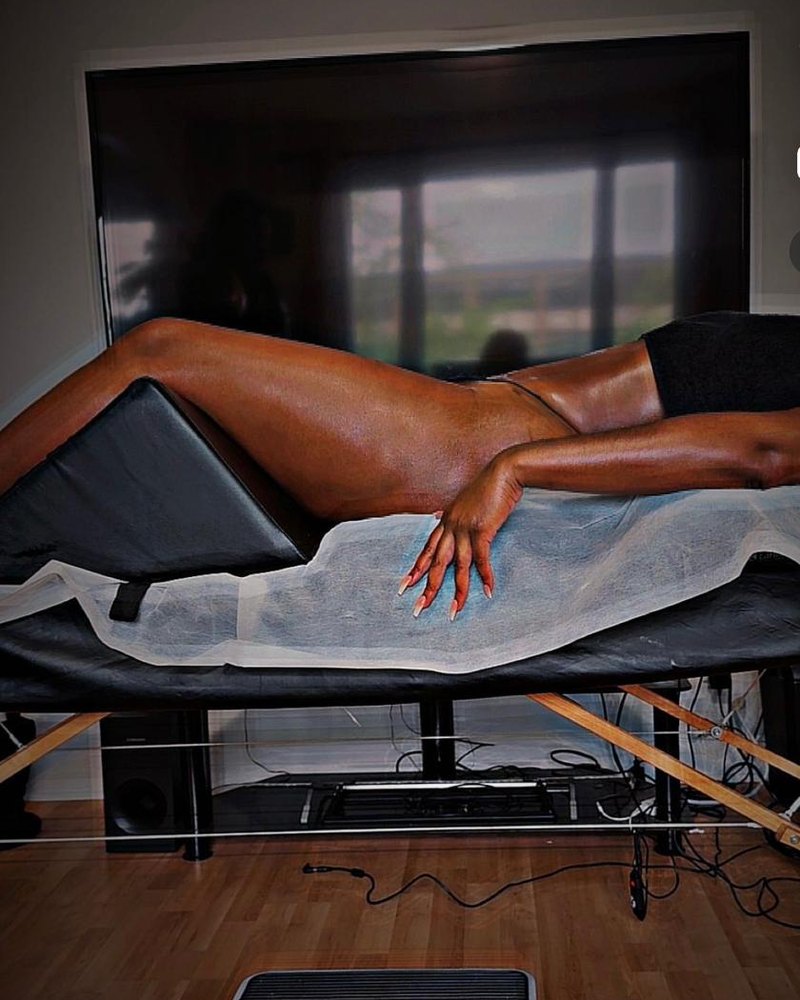
Starting early matters
Published protocols place the first session 24 to 72 hours after surgery, once clearance is given. The sooner fluid moves, the less time it has to settle.
Post-op recovery runs on a tight schedule, rarely handed over on the way out of the hospital. Here it is, week by week.
Enter the surgery date to place the stage of recovery, the care usually given at that point, and the compression garment schedule.
Indicative only. Every surgery and every body differs, and the surgeon authorises the start of care.
This tool replaces no one. These are the signs that don't wait and don't get massaged. A single one is reason enough to call the surgeon or seek care the same day.
That last one is serious. Most of the women who write to me at 3 a.m. were right to worry, and nobody had told them what to watch for.
Between 8 and 12 sessions over six to eight weeks, for most clients. What moves that number is the extent of the surgery, when care begins, and how each body responds.
The densest window: two to three sessions a week, and the most decisive period of the path.
One to three sessions a week depending on general condition. Drainage continues on the areas that are firming up.
One session a week, mostly tissue work. This is when firm areas get resolved while they still respond.
Every two weeks, then as needed. Plenty of clients keep a monthly session for a while, simply because it feels good.
These frequencies are the ones found in most published post-surgical protocols. They remain indicative: the surgeon authorises the start of care, and the actual plan is set at the first session.
Published protocols place the first session 24 to 72 hours after surgery, once clearance is given. The sooner fluid moves, the less time it has to settle.
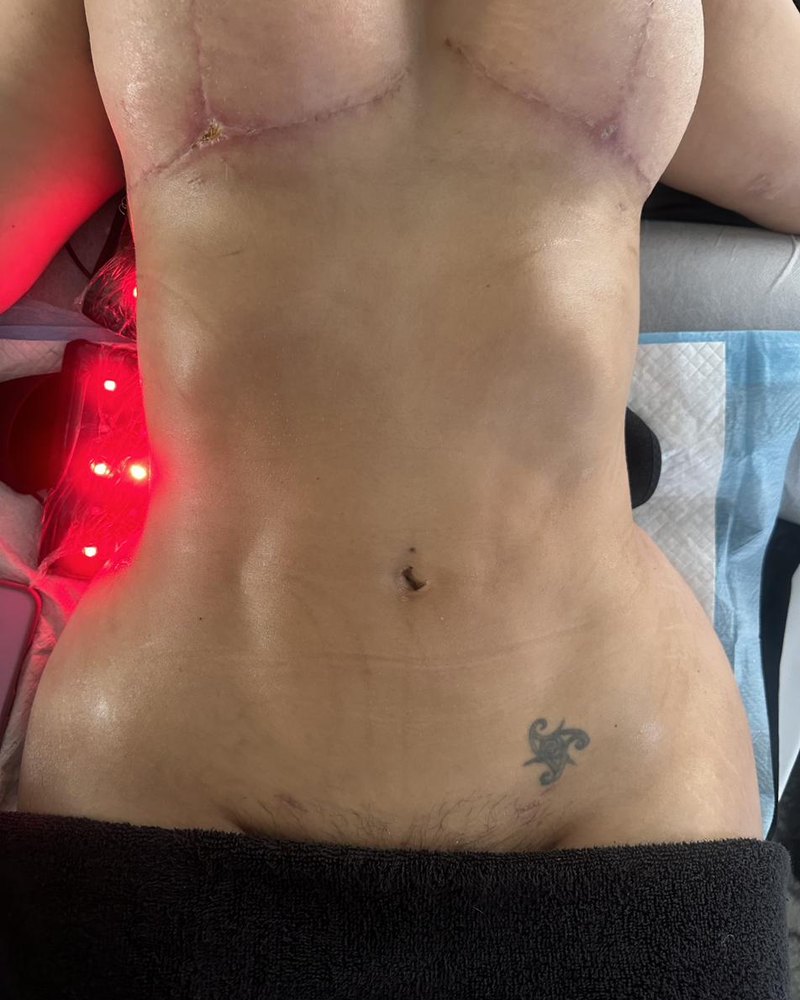
Bruising, firm patches, dips, asymmetry: all of it is part of the normal path through the first six weeks. The final result cannot be judged for several months.
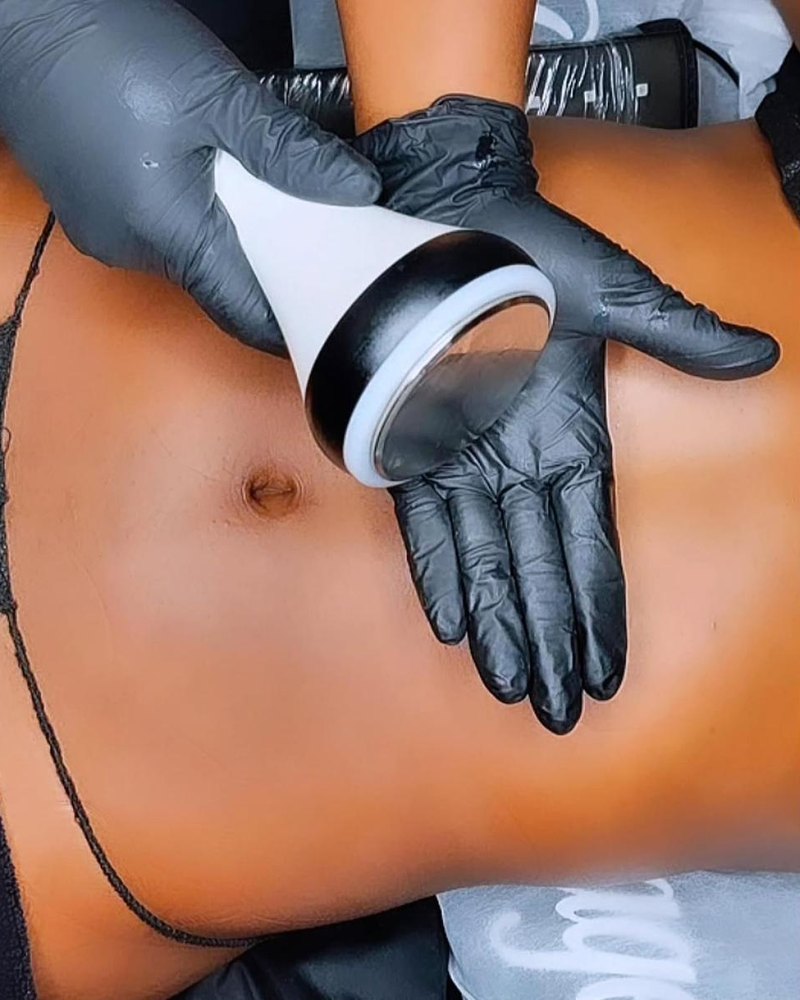
Compression is the one thing every surgeon agrees on. Typically 24 hours a day for the first two to three weeks, then easing off through weeks six to eight.
Massage therapy and recovery care. No diagnosis is made. These treatments do not replace medical follow-up.
The type of surgery and its date are enough to determine the stage of recovery and do from there.